Bali memang primadona wisata. Ada banyak hal menarik yang dapat kita temukan di Bali utamanya dari segi wisata baik wisata alam maupun wisata modernnya. Akan tetapi yang dari dulu memang dielu – elukan tentang Bali adalah wisata alamnya. Dan sebenarnya selain wisata alam, Bali juga punya banyak spot wisata kuliner yang Anda wajib kunjungi.
Nah, buat Anda yang memang ingin melakukan kunjungan wisata kuliner di Bali, langsung saja Anda simak berikut ini beberapa daftar tempat kuliner yang wajib dikunjungi di Bali. Tentu saja dengan informasi ini akan ada rekomendasi wisata kuliner terbaik untuk Anda.
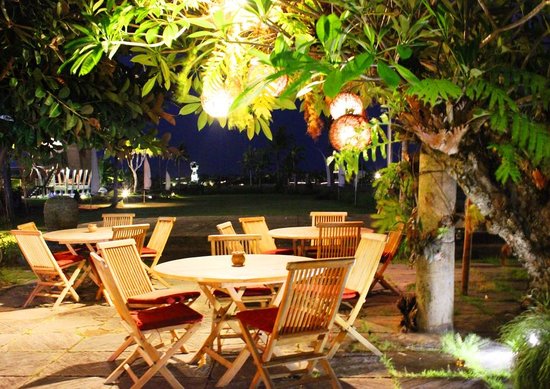
Tempat Kuliner yang Wajib Dikunjungi Di Bali
Tempat kuliner yang wajib dikunjungi di Bali ini tentu berbeda dengan yang lainnya. Bukan hanya soal penampilan tempat kulinernya akan tetapi juga soal penyajian menu masakannya benar – benar berbeda. Dan berikut beberapa tempat kuliner yang wajib dikunjungi di Bali diantaranya :
Bali strawberry farm and restaurant
Ini merupakan kuliner Bali yang terbaru dan merupakan sebuah tempat agrowisata strawberry yang ada di jalan raya baturiti Bedugul. Karena itu tentu saja sembari Anda dapat menikmati wisata kuliner Bali Anda juga dapat berkeliling berkunjung dan menyaksikan keindahan agrowisata strawberry.
Bale udang mang Engking
Tempat kuliner yang wajib dikunjungi di Bali selanjutnya adalah Bale Udang Mang Engking yang merupakan wisata kuliner Bali yang didalamnya menyajikan makanan khas sunda yang disajikan dengan bertempatkan seperti saung mengapung diatas kolam dan tentu akan menjadi sebuah pengalaman kuliner yang sangat unik untuk Anda. Wisata kuliner yang satu ini juga menyajikan beberapa kuliner seperti udang, sop buntut, karedok, iga penyet dan juga gurame cobek.
Nasi ayam kedewatan Ibu Mangku
Kalau nasi ayam kedewatan ini memiliki menu berupa paket isi ayam, nasi sate lilit, sambal kacang teri, telur, sambal pedas dan urap. Kuliner ini dibuat dengan konsep lesehan dan lokasinya berada di Jalur Kedewatan 18, Ubud. Kuliner ini sangat ramai dengan kunjungan wisatawan.
Warung d’sawah
Dan kuliner ini juga sangat wajib dikunjungi dan merupakan sebuah tempat makan yang hadir dengan panorama keindahan sawah yang sangat asri. Bahkan tempat makan yang satu ini juga berhasil meraih Certificate of Excellence 2013 dari TripAdvisor. Beragam menu khas Indonesia dapat Anda temukan di Warung d’sawah ini dan lokasinya berada di Jalan Raya Kerobokan Kelod 17 Kuta.
Mungkin Anda tertarik berkunjung menuju salah satu wisata kuliner diatas? Semoga informasi yang kami berikan diatas mengenai Tempat Kuliner yang Wajib Dikunjungi Di Bali bermanfaat. Selamat berkunjung dan dapatkan semua sensasi seru wisata di Bali dengan lion air.









 tylerbennicke